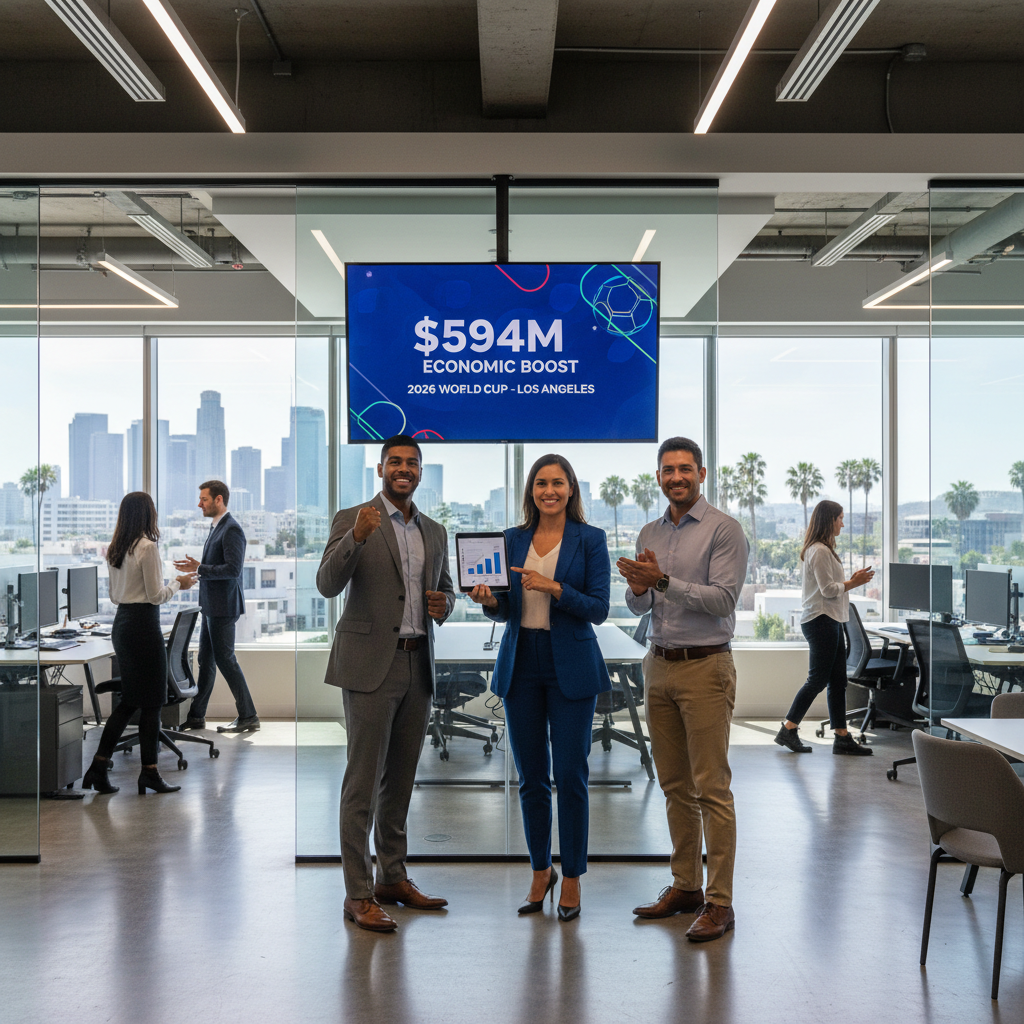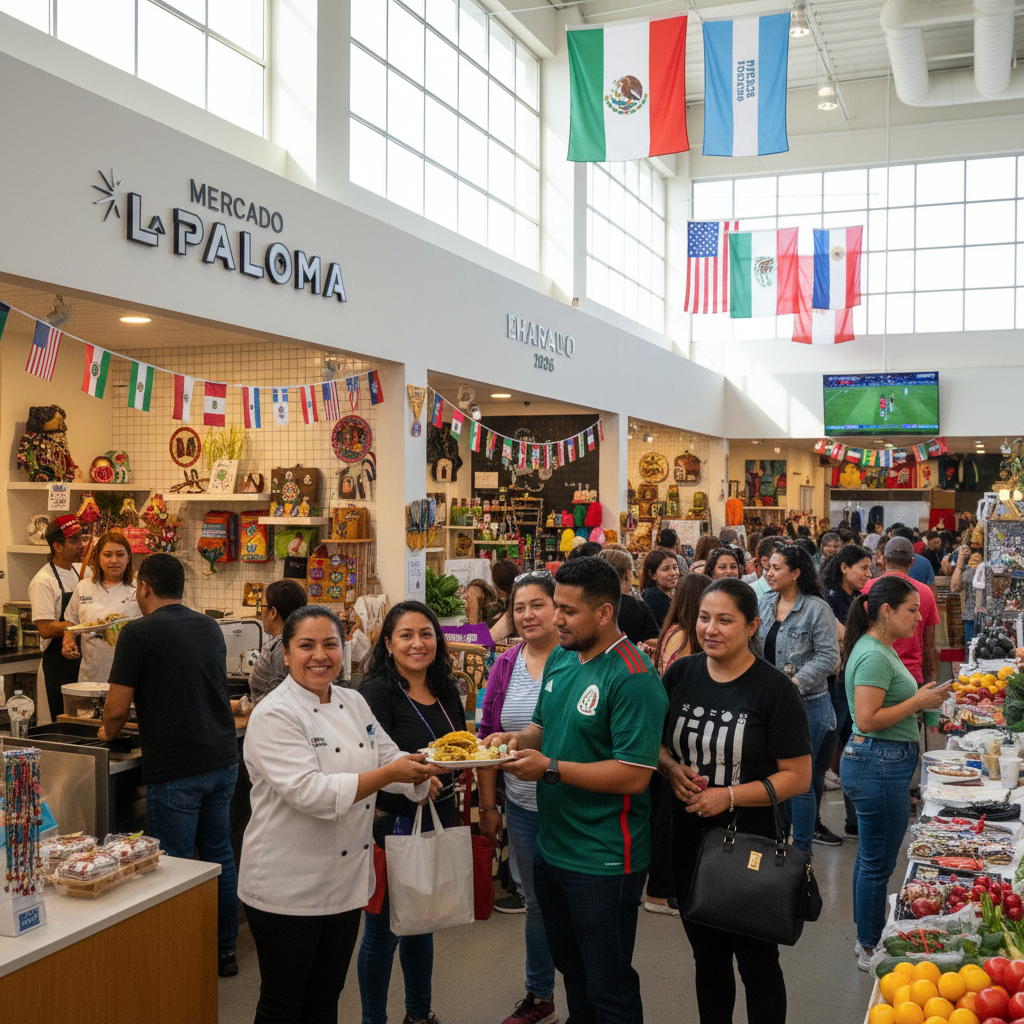
The 2026 FIFA World Cup is proving to be a major economic driver for Los Angeles, with benefits extending far beyond the immediate vicinity of SoFi Stadium. In South Los Angeles, businesses inside the Mercado La Paloma are experiencing a significant uptick in customers, a welcome change after years of navigating economic turbulence, the COVID-19 pandemic, and the impacts of immigration enforcement.
The international soccer tournament has brought a global audience to the city, and many visitors and local fans are venturing into diverse neighbourhoods seeking authentic experiences. This has translated into increased foot traffic and sales for the vendors at Mercado La Paloma, a community-focused market known for its array of international cuisine and local artisans. For these small businesses, the influx of soccer enthusiasts represents a crucial opportunity for recovery and growth.
The global sporting event, which has seen record television ratings for broadcasters, has turned a spotlight onto the city's vibrant cultural enclaves. The phenomenon underscores how mega-events can create economic ripples that benefit communities that are not at the epicentre of the main festivities, providing a much-needed boost to local entrepreneurs.
A welcome reprieve after years of challenges
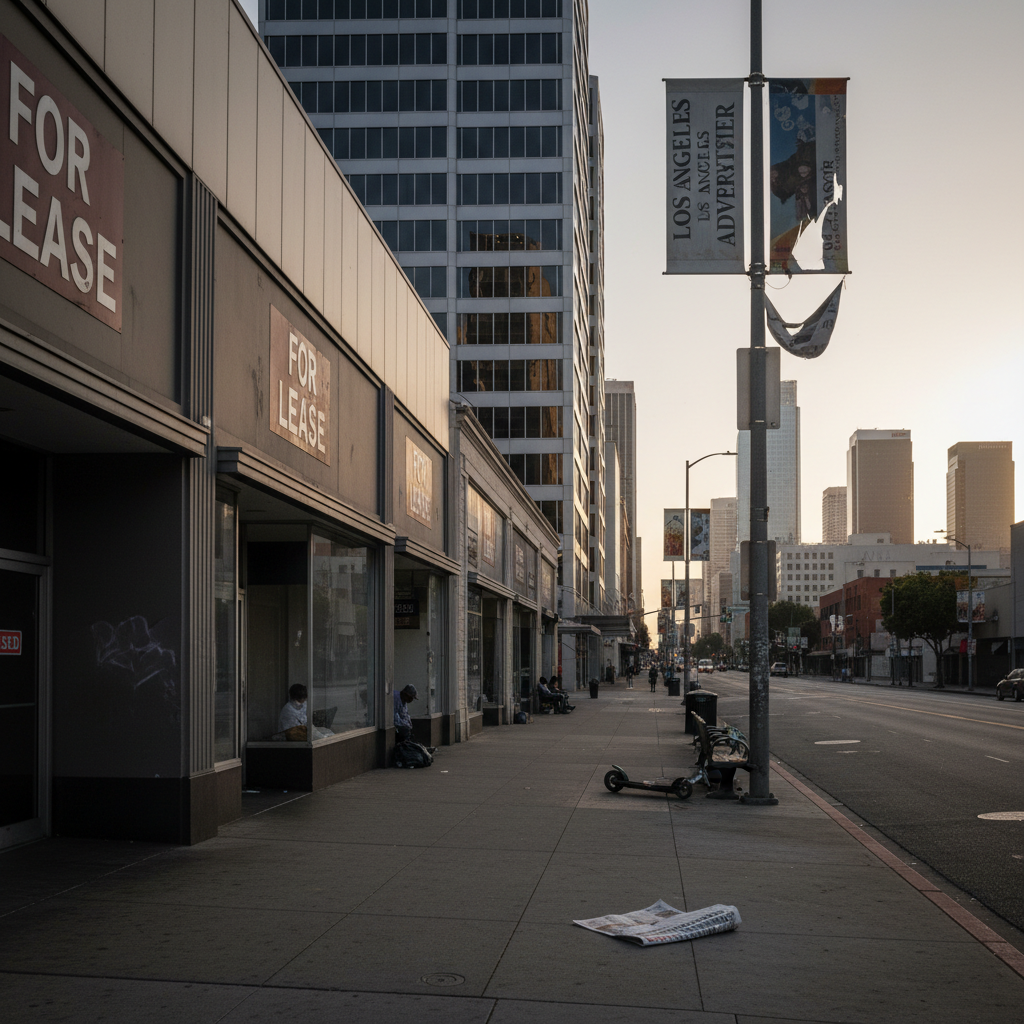
The recent success stands in stark contrast to the difficult environment these businesses have endured. The COVID-19 pandemic brought unprecedented challenges for small enterprises across Los Angeles, with lockdowns and health concerns leading to a dramatic decline in sales. Restaurants and food vendors, the heart of Mercado La Paloma, were particularly hard-hit.
Beyond the pandemic, vendors in the area have also navigated economic uncertainty stemming from broader market forces and the local impacts of federal immigration enforcement activities, which have previously caused disruption and instilled fear in communities. These combined pressures created a prolonged period of struggle for the small, often family-run, businesses that make up the unique fabric of the market.
The arrival of the World Cup crowds has therefore been more than just a business opportunity; it has been a source of renewed optimism. The ability to attract new customers and share their culinary traditions with a global audience has provided a significant morale boost for vendors who have shown remarkable resilience.
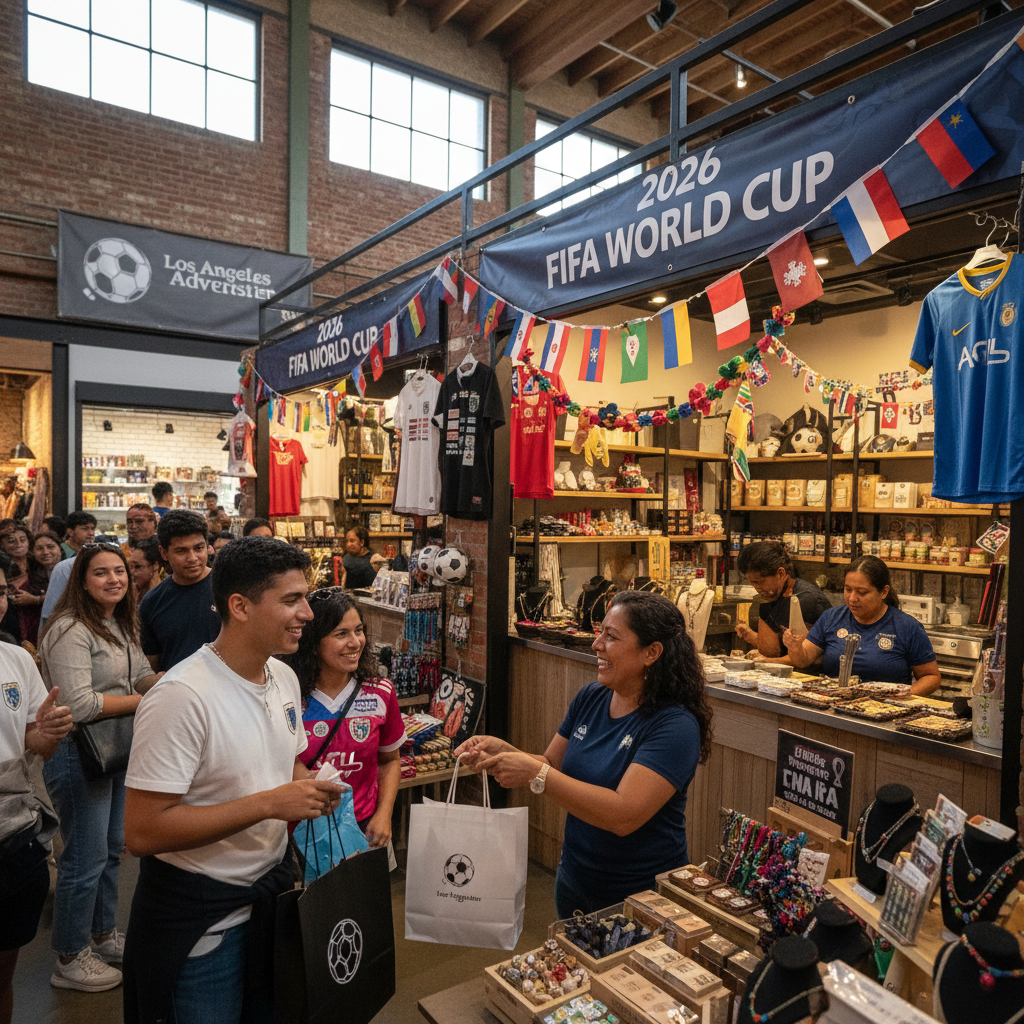
The power of cultural tourism
Mercado La Paloma, a project of the Esperanza Community Housing Corporation, has long been a cherished institution in South Los Angeles. It serves as not just a food hall, but a community gathering centre and an incubator for aspiring entrepreneurs. Its collection of vendors offers a culinary journey through Mexico, Ethiopia, Thailand, and beyond, making it a natural magnet for the diverse crowds the World Cup attracts.
As fans from around the world descend on Los Angeles for the matches hosted at SoFi Stadium, many are looking to immerse themselves in the city's multicultural landscape. The search for authentic food and local culture has guided them to places like Mercado La Paloma. This trend highlights a shift in tourism, where visitors increasingly prioritize unique, community-based experiences over traditional tourist traps.
This organic flow of customers demonstrates the potential for large-scale events to benefit neighbourhood economies. According to the Los Angeles World Cup 2026 Host Committee, a key goal is to ensure the event creates a positive and lasting legacy for all of the city's communities. The revitalized energy at Mercado La Paloma suggests this goal is, at least in part, being realized as small businesses tap into the global celebration of soccer.
Looking ahead through the tournament
With the World Cup continuing through its group and knockout stages in the coming weeks, vendors at Mercado La Paloma are hopeful the surge in business will continue. The tournament, which takes place across North America, has a significant number of matches scheduled in the Los Angeles area, promising a sustained period of high visitor traffic.
For the businesses that have persevered through so much, the World Cup represents a powerful symbol of revival. The ability to showcase their products to a new and enthusiastic clientele offers not only immediate financial relief but also the potential for long-term customer loyalty. As the world watches the games, the small businesses of South LA are seizing their moment to shine on an international stage.
The success at the market serves as a compelling model for how future large-scale events in the city can be leveraged to support grassroots economic development. As the tournament progresses, the hope is that this positive trend will continue, ensuring the legacy of the 2026 World Cup is one of inclusive growth and opportunity for all of Los Angeles. The event is scheduled to conclude with the final match in July, giving local businesses several more weeks to capitalize on the historic occasion.