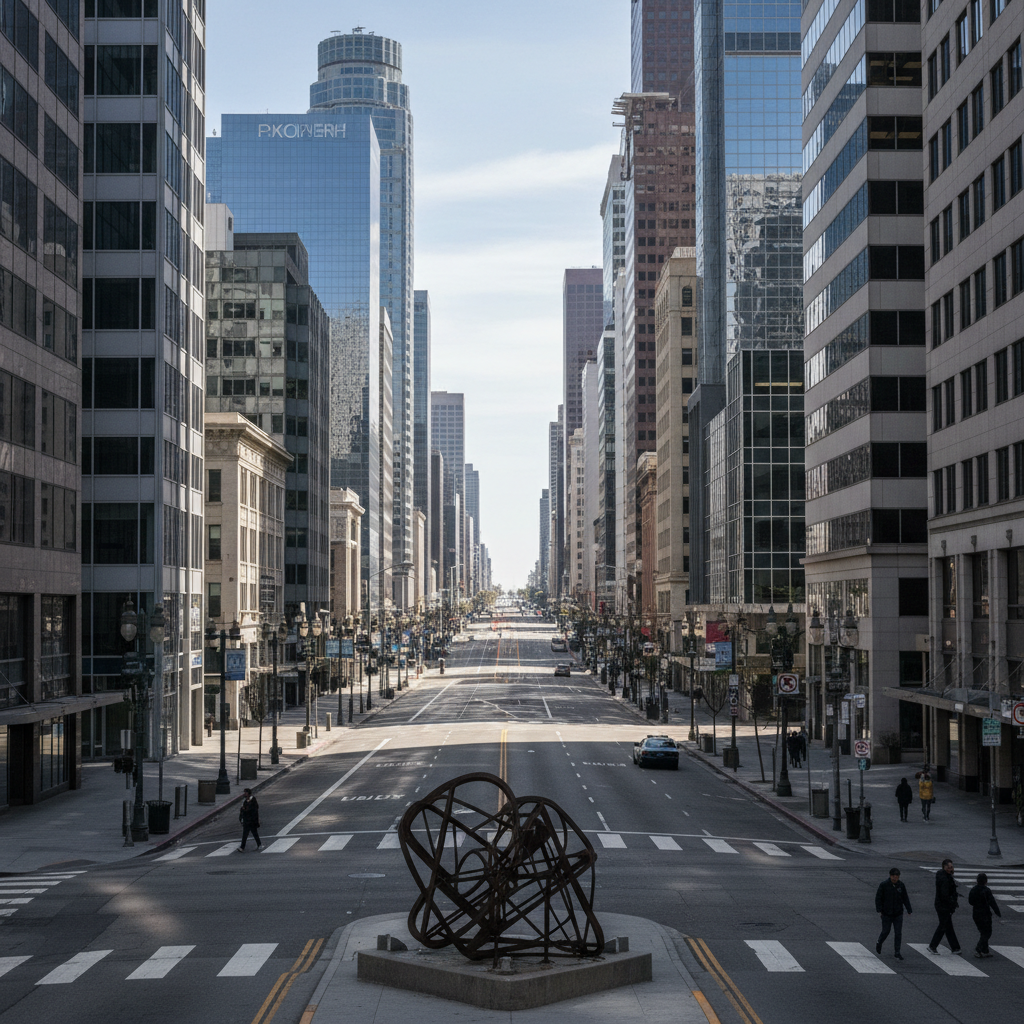
Downtown Los Angeles is one of the least vibrant urban centres in the world, according to a new report from global architecture and consulting firm Gensler. The 2026 City Pulse report, which surveyed 35,000 residents across 75 major international cities, placed DTLA in the bottom tier for vibrancy, ranking it 20th-lowest globally and 11th-lowest among 34 American cities surveyed.
The survey revealed that only 65 per cent of Los Angeles respondents found their downtown to be vibrant. This figure stands in stark contrast to the scores of other major cities such as New York, Chicago, Sydney, and Shanghai, all of which earned vibrancy ratings above 80 per cent from their residents. The findings highlight a significant perception problem facing the city's historic core, even as some pockets of downtown show signs of life.
This struggle to cultivate a dynamic downtown environment comes as Los Angeles prepares to take the world stage, co-hosting the 2026 FIFA World Cup. The international event is projected to bring a massive influx of visitors and a significant economic boost, putting the functionality and appeal of its central hub under intense scrutiny.
Exodus of businesses drains downtown's vitality
According to Kelly Farrell, the managing director of Gensler’s Los Angeles office, the core issue is the departure of businesses from the city centre. The post-pandemic shift to remote and hybrid work has led to a significant drop in foot traffic, leaving remaining shops and restaurants to struggle.
L.A.’s kind of central problem is that businesses have left L.A. We need them to bring the offices back in. Bring the people back in so they’re staying after work and interacting with those businesses that are in the area.
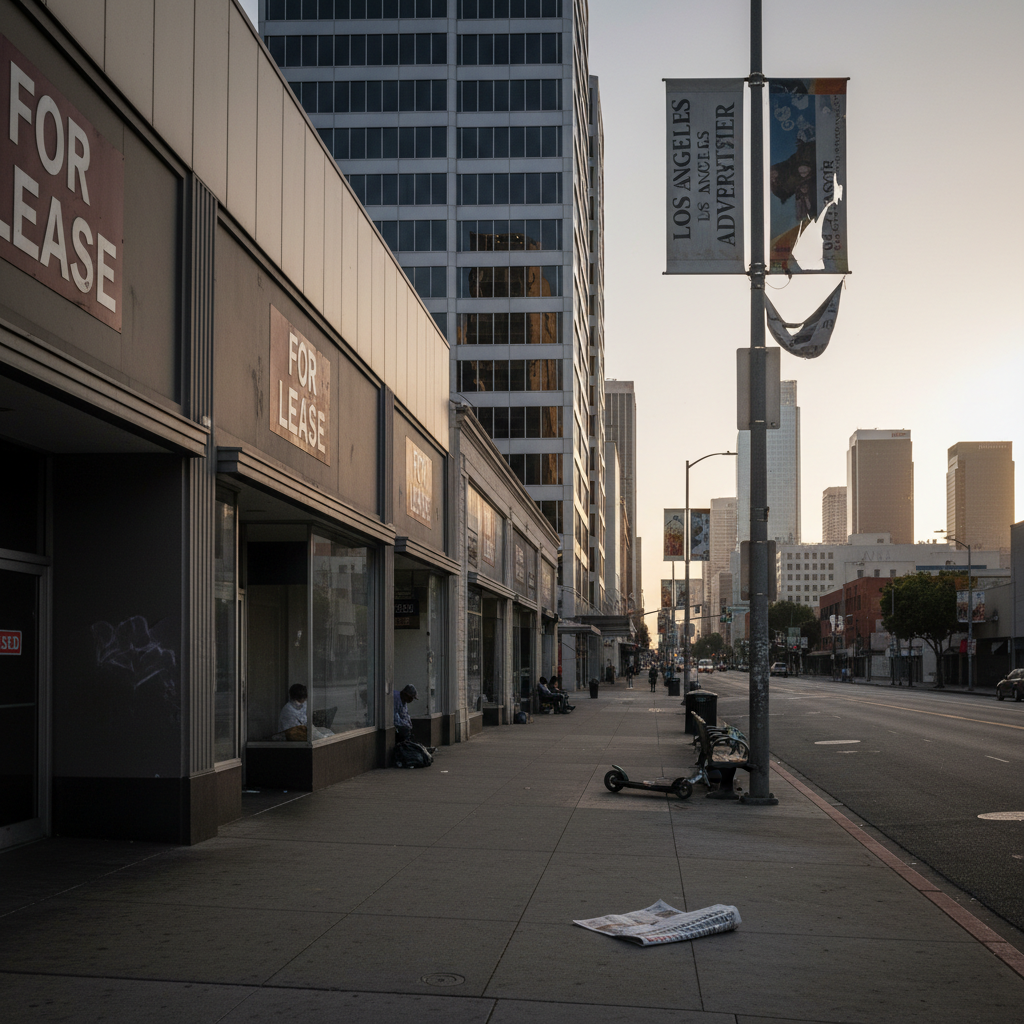
Data confirms this trend. Statistics from the Los Angeles Office of Finance show a marked increase in the number of businesses leaving downtown over the past two years. A data analysis by the Los Angeles Times identified South Park, the Fashion District, Central City East, and Pico-Union as the neighbourhoods most affected by closures between 2024 and 2025. The commercial real estate situation is particularly dire, with a CBRE report indicating that nearly 40 per cent of office space in the Financial District is functionally empty and 30 per cent of retail space is vacant.
Safety perceptions and image problem persist
Beyond the economic vacancies, downtown Los Angeles suffers from a persistent image problem. The Gensler report notes that a key factor in a thriving downtown is not just the number of visitors, but the amount of time they choose to spend there. Perceived safety issues are a major deterrent for both businesses and locals.
High-profile incidents of vandalism, assaults, and robberies have contributed to a narrative of a neighbourhood in decline, making many reluctant to visit or invest in the area. Despite these perceptions, the Los Angeles Police Department has reported that crime in the area is down 10 per cent from last year. In April, LAPD Capt. Kelly Muniz presented data indicating a downward trend in overall crime statistics.
Efforts to improve the downtown experience include infrastructure enhancements that promote walkability, a key feature of vibrant city centres. In a related civic project, a damaged school track was recently recycled into new walkways for the LA Metro system, demonstrating an innovative approach to improving public spaces.
More people seen as key to a turnaround
Experts believe that reversing downtown's fortunes requires a critical mass of people. Kelly Farrell argues that increasing the population density is the most effective way to combat crime and improve the area's atmosphere. “One of the best things we can do for safety is have an abundance of population,” she says, explaining that full storefronts and bustling streets naturally discourage criminal activity.
The Gensler report outlines a successful downtown formula: a balanced mix of retail, offices, and housing, combined with walkability and a strong identity as a cultural and entertainment hub. While DTLA has historically served this role, the recent economic shifts have weakened its foundation. This challenge exists within the broader context of population changes across the region, as noted in a recent guide to Washington D.C. neighborhoods and a recent analysis of civic engagement and demographic shifts in Los Angeles County.
For a city that has seen community-driven revitalization in other neighbourhoods, like a Chinatown group fostering connection through co-working spaces, the potential for a downtown rebound exists. The strategy hinges on successfully repopulating the commercial core to create a virtuous cycle of activity and safety.
Farrell remains optimistic, noting that perceptions of vibrancy can shift quickly. As Los Angeles continues its recovery and more companies call their employees back to the office, the daily influx of workers is expected to breathe new life into the area. She anticipates that as empty retail spaces fill up, the downtown area will see a corresponding drop in crime and a rise in its vibrancy score in future surveys.