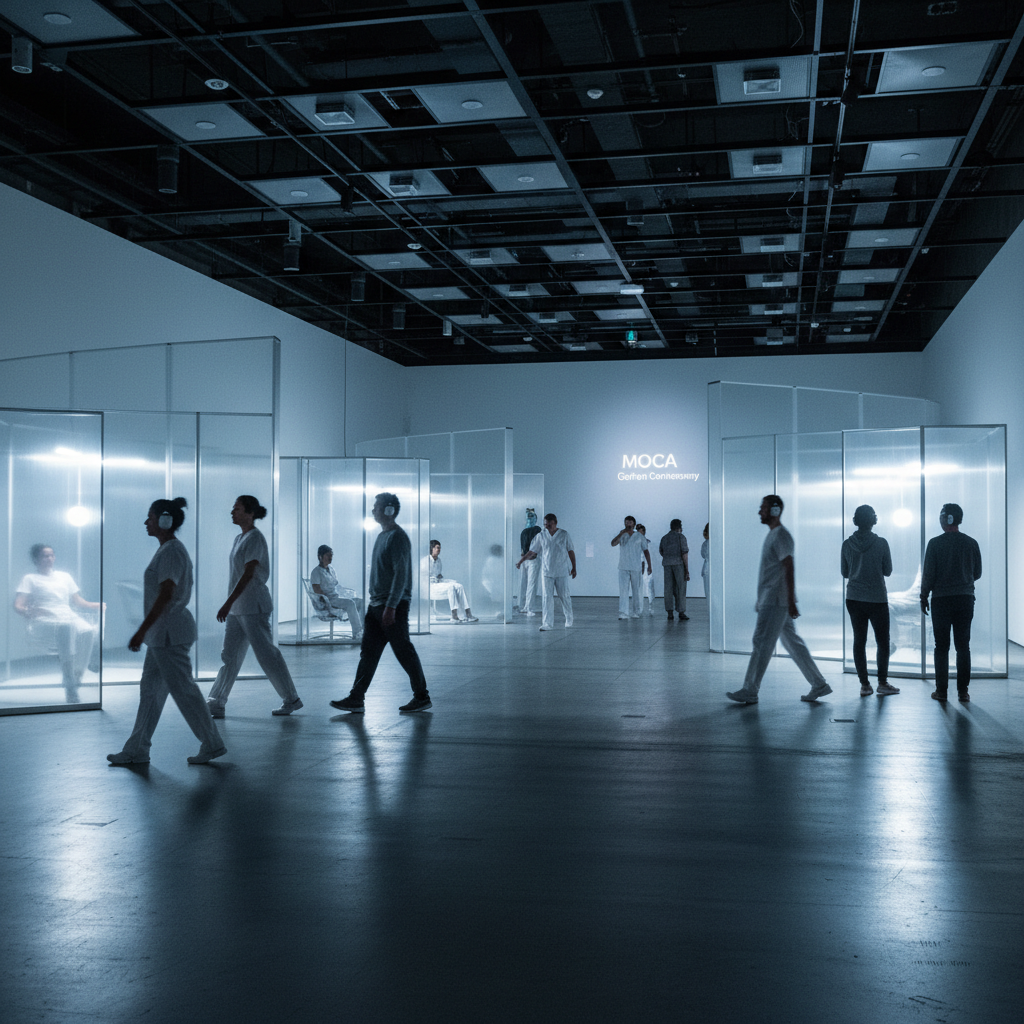
A new large-scale performance installation, 'N-1: Minus the Light', will premiere this August at The Geffen Contemporary at the Museum of Contemporary Art (MOCA) in downtown Los Angeles. The immersive sensory experience, created by director Wild Don Lees and composer Matt Ball, is scheduled to run on select weekends throughout the month, offering audiences a unique exploration of light as a sculptural medium.
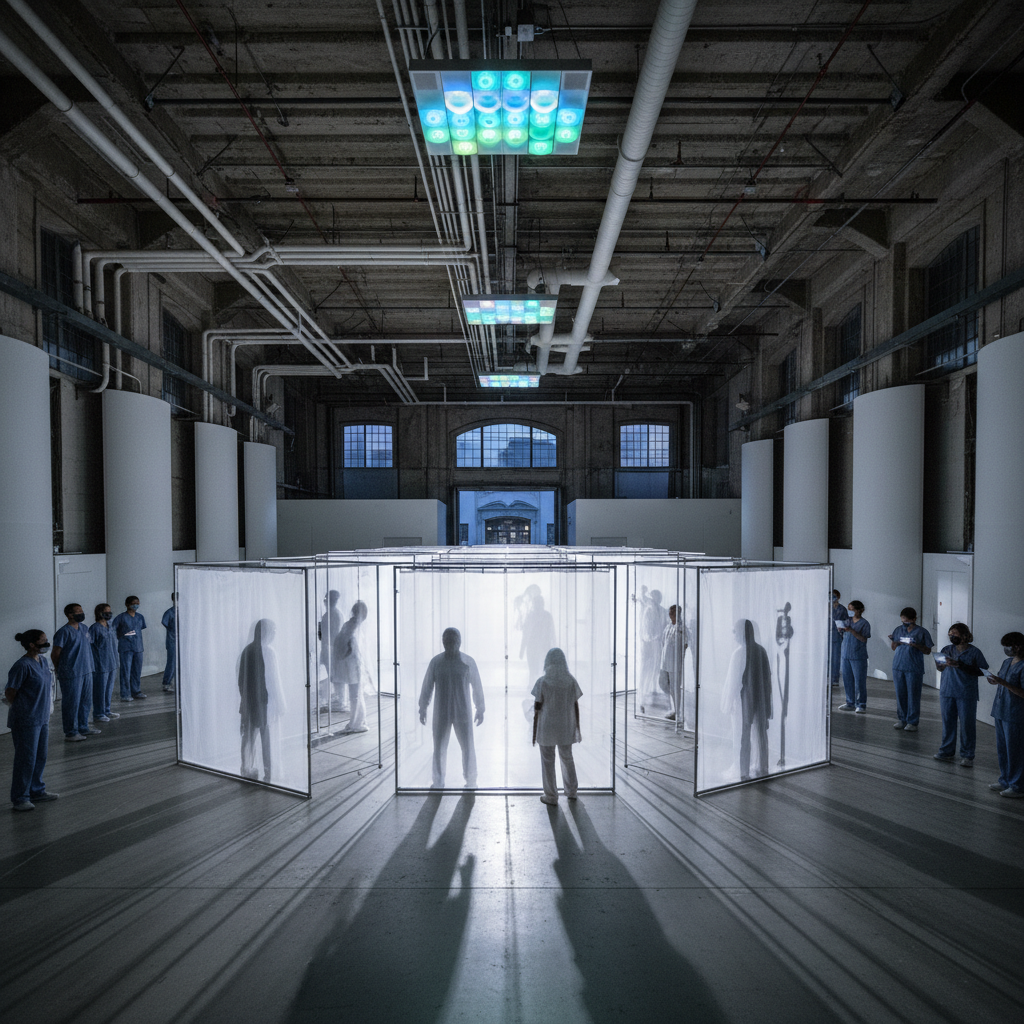
The hour-long performance is set to unfold as a series of fleeting, dream-like scenes presented to a standing audience. The production uses a custom-built, programmable light system comprised of ten large, automated fixtures. These elements will work in concert to manipulate light and shadow, effectively transforming the vast space of the Geffen Contemporary and immersing visitors in a constantly shifting environment.
Performances are scheduled for August 1-4, August 8-11, and August 15-18. The event is designed to be a meditative and captivating experience, inviting viewers to engage with the fundamental elements of perception. General admission tickets are available for $35, with MOCA members receiving a discounted price of $25.
An immersive sensory experience
The core of 'N-1: Minus the Light' lies in its innovative use of technology to create a deeply personal and subjective experience for each attendee. By treating light not just as illumination but as a tangible, sculptural material, the creators aim to challenge the audience's perception of space and form. The title itself, 'Minus the Light', suggests a focus on the absence of light, placing as much importance on shadow and darkness as on brightness.
This style of art is part of a growing trend in contemporary art toward immersive installations, where the audience is not a passive observer but an active participant within the artwork itself. Such works often leverage advanced technology to engage multiple senses, creating worlds that are memorable and thought-provoking. Los Angeles has become a prominent centre for such large-scale productions, which blur the lines between art, technology, and entertainment, adding to the city's diverse calendar of Auckland winter events.
The installation's design, which features a series of transient and ethereal scenes, encourages a state of mindfulness and presence. Without a traditional narrative or characters, viewers are free to interpret the abstract visuals and sounds based on their own emotions and memories, ensuring that no two individuals will have the exact same experience.
A minimalist soundscape
Complementing the visual spectacle is a minimalist score composed by Matt Ball. The music is an essential component of the immersive environment, crafted to enhance the atmospheric and emotional weight of the performance. The score features a delicate blend of piano, strings, and analog synthesizers, creating a sonic texture that is both contemporary and timeless.
The sound is delivered through a highly directional, 14-channel sound system. This sophisticated audio setup allows the creators to place and move sounds throughout the gallery space with precision, creating a three-dimensional soundscape that envelops the audience. Sounds may appear to emanate from specific points or sweep across the room, working in harmony with the moving light fixtures to guide the viewer's attention and deepen their sensory engagement. The use of a minimalist composition allows the visual elements to remain at the forefront, with the music providing a subtle, guiding emotional undertone rather than dictating a specific narrative.
The Geffen Contemporary at MOCA
The choice of The Geffen Contemporary at MOCA as the venue is significant. A former police car warehouse in Little Tokyo, its vast, open-plan industrial space provides the ideal canvas for a large-scale installation like 'N-1: Minus the Light'. The building's raw architecture and expansive interior allow the ten automated light fixtures to have maximum impact, casting complex shadows and beams of light across long distances.
Hosting the event at a world-class institution like MOCA, one of the country's most respected contemporary art museums, situates the performance within the broader context of significant artistic innovation. It signals a recognition of immersive, technologically-driven art as a vital and evolving field. This kind of event draws diverse crowds, from seasoned art lovers to those simply looking for a unique summer experience, much like other cultural happenings in major cities such as the World Cup events in Miami.
The production is a collaboration between Wild Don Lees, who provides the direction and overall concept, and Matt Ball, who composed the score. Their combined vision aims to push the boundaries of live performance and installation art.
Following its Los Angeles run, the future of the installation is not yet specified. For now, audiences in Southern California have a limited opportunity to witness this unique convergence of light, sound, and space. The performance schedule across the first three weekends of August offers several opportunities to attend.