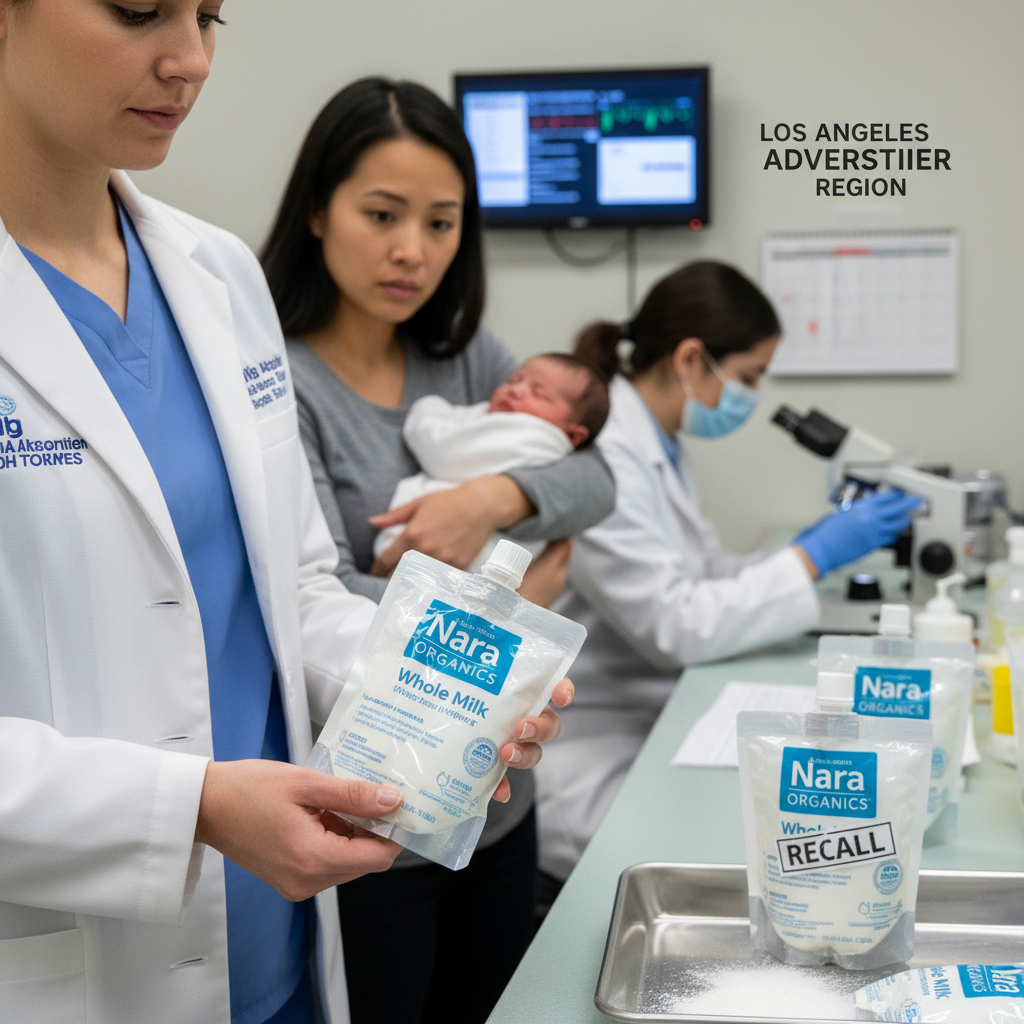
Federal officials have announced a nationwide recall of Nara Organics whole milk baby formula after three infants, including one from California, were hospitalised with potentially fatal infant botulism.
The U.S. Centers for Disease Control and Prevention (CDC) is advising parents and caregivers to immediately stop using the formula. The agency has urged anyone with unopened cans of the product to return them for a refund or dispose of them immediately.
The three affected infants, who ranged in age from two to five months old, were all hospitalised for treatment. The other two cases were reported in Pennsylvania and Washington. According to federal officials, all three infants were treated with a specialized drug approved by the Food and Drug Administration (FDA) for infant botulism, and no deaths have been reported in connection with the outbreak.
This incident has cast a new spotlight on the safety of infant nutrition products, a market that remains under intense scrutiny following widespread shortages and previous safety scares in recent years. For parents in Los Angeles and across the country, it serves as a frightening reminder of the vulnerability of the supply chain.
Symptoms and medical advice
Health officials are urging parents to be vigilant, as the symptoms of infant botulism can be subtle and develop over time. The CDC advises parents to seek prompt medical care if an infant shows signs such as difficulty swallowing, poor feeding, constipation, drooping eyelids, or a noticeably weak cry. Other key symptoms include a loss of head control, decreased facial expression, and sluggish pupils.
A critical warning from the CDC notes that symptoms may not appear for several weeks after an infant consumes the contaminated product. Parents who have fed their children Nara Organics formula are advised to monitor their infant for any of these signs for an entire month after the last time the product was used.
Infant botulism is a rare but serious illness that occurs when spores of the Clostridium botulinum bacterium are ingested. In the unique environment of an infant’s digestive system, these spores can colonize the large intestine and produce a potent neurotoxin. Left untreated, the illness can progress to cause muscle weakness and paralysis, potentially leading to severe breathing difficulties and requiring weeks of intensive hospital care.

Company responds to outbreak
Nara Organics, a New York-based company, sells its formula online and in major retail stores like Target. In a statement regarding the recall, the company acknowledged the situation and expressed its regret for the anxiety it has caused families. The company has moved to recall all lots of its infant formula currently on the market as a precautionary measure.
We sincerely apologize for the concern and distress this announcement causes our customers. We are committed to leading with transparency and accountability throughout this process as we work to identify further information.
The company stated that, to date, its own testing has not detected the presence of C. botulinum bacteria in its products. Nevertheless, the recall was initiated out of an abundance of caution due to the link between the formula and the hospitalised infants. Consumers seeking a refund or more information are being directed to the company’s website.
A pattern of formula safety concerns
This recall is not an isolated incident in the infant formula industry. Last year, a different manufacturer, ByHeart, Babylist signs 10-year lease for its Whole Nutrition Infant Formula after a separate botulism outbreak sickened dozens of babies across the United States. That incident led to increased FDA oversight and accusations that some retailers, including Target, had failed to promptly remove the recalled products from their shelves.
These repeated safety failures highlight ongoing challenges in ensuring the integrity of the infant formula supply chain. The events often cause panic among parents, many of whom remember the significant formula shortages of 2022, which left families scrambling to find safe and available options for their infants. That crisis was triggered by the shutdown of a single major production facility, revealing deep-seated vulnerabilities in the market that regulators and companies are still working to address.
The health and well-being of children remain a top priority for communities, from the quality of school programs celebrated by the Los Angeles Unified School District to local health initiatives. Events like a recent all-day wellness retreat in Toluca Lake underscore a growing public focus on preventative health, a conversation that is now sharply focused on the products intended for the most vulnerable members of the population. As this latest recall unfolds, local news coverage remains a vital resource for communities, though the industry itself faces economic headwinds, with some proposals in the state threatening to cut funding for local journalism.
Given that symptoms can take weeks to manifest, federal health officials have reiterated that parents who used the recalled formula should continue to closely monitor their child's health for a month after its last consumption.