
Los Angeles’ school board has passed a significant measure to regulate the amount of time students spend looking at screens during classroom lessons, a move that reflects a growing national conversation about the impact of technology on children's health. The board of the Los Angeles Unified School District (LAUSD), the second-largest in the United States, approved the motion with a 6-0 vote on Tuesday.
The decision makes LAUSD one of the first major school districts in the country to establish system-wide, grade-specific limits on screen time for academic activities. The policy addresses mounting evidence and parental concern that excessive digital exposure could be linked to a range of negative outcomes, from obesity and vision problems to increased anxiety and developmental delays.
Proponents of the measure emphasized that the goal is to find a sensible middle ground. They aim to balance the clear need for students to develop technological skills for the modern world with the emerging health risks associated with too much screen use. The resolution follows a district-wide cellphone ban implemented in 2024, signalling a broader effort by the board to manage the pervasive influence of digital devices in schools.
A national precedent
With this vote, the Los Angeles Unified School District has positioned itself at the forefront of a contentious educational debate. Board member Nick Melvoin, who sponsored the resolution, indicated a desire for the district to set an example for the rest of the country.
Along with the cellphone ban the L.A. Unified School District passed in 2024, we hope to be a national leader on these matters,
The widespread integration of technology in LAUSD classrooms, serving approximately half a million students, was dramatically accelerated by the COVID-19 pandemic in 2020. The necessary shift to remote and hybrid learning models embedded laptops and tablets into the daily fabric of education. While this transition was crucial for continuing instruction, it also normalized a level of screen exposure that has since come under scrutiny from parents, educators, and health professionals.
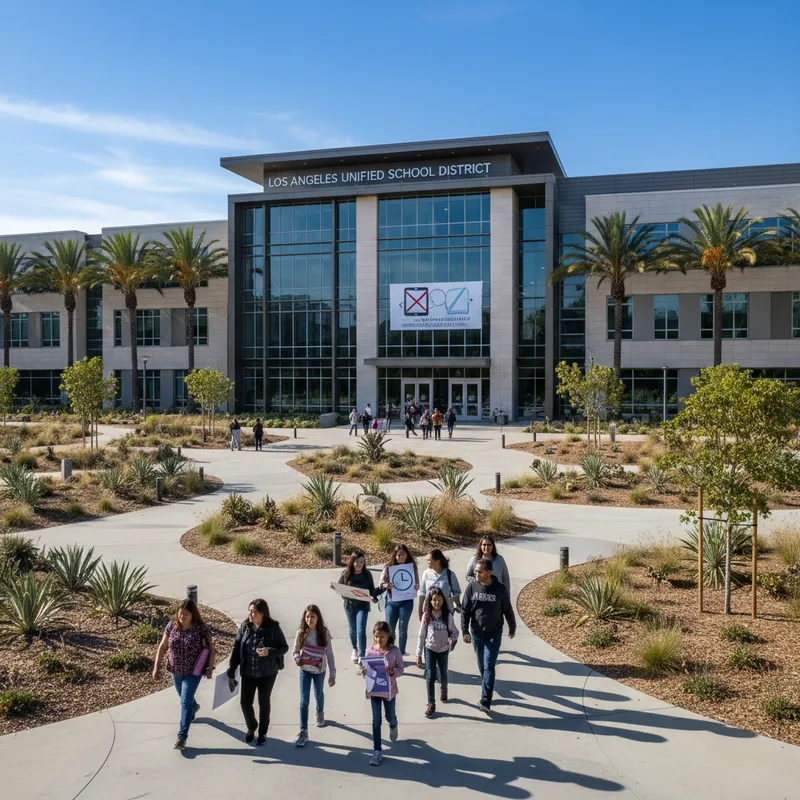
The new resolution acknowledges this reality, citing research from the American Academy of Pediatrics. According to the board's measure, excessive screen time can be associated with "vision problems, increased anxiety and depression, addictive behavior, reduced attention span, difficulty managing emotions, lower academic achievement and weaker cognition".
Balancing technology and well-being
The policy does not call for an immediate or universal ban on devices. Instead, it directs district staff to embark on a collaborative process to create clear, age-appropriate guidelines. This process will involve consultations with a wide range of stakeholders, including public health experts, educators, and families, ensuring that the new rules are both practical and informed by scientific evidence. Until these new district-wide standards are finalized, existing school-level policies on screen time will remain in effect.
The resolution specifically pointed to research indicating that children between the ages of 8 and 11 who have more screen time than recommended are at a higher risk for obesity. The same studies found these children also tended to score lower on cognitive assessments. These findings highlight the critical importance of managing technology use during key developmental years.
However, the move is not without its complexities. Skeptics and disability advocates have cautioned that any new limits must be implemented with care. They argue that a one-size-fits-all approach could inadvertently disadvantage students with disabilities who depend on assistive technology to access curriculum and participate in classroom activities. The development process will need to address these concerns to create a flexible and equitable policy.
LAUSD's evolving digital landscape
The decision to regulate screen time is the latest chapter in LAUSD's ongoing effort to adapt to the digital age. As a sprawling district with a diverse student body, it has invested heavily in technological infrastructure, including providing devices and support through its Information Technology Services helpdesk. This new policy represents a significant pivot from simply providing access to actively managing its use. For instance, Calgary city council rejects charter school, indicating a wider trend of cities grappling with technology's role in education.
The push for regulation reflects a cultural shift. While digital tools were once seen almost exclusively as instruments of progress and opportunity, there is now a more nuanced understanding of their potential drawbacks. The school board's action suggests an emerging consensus that districts have a responsibility to protect students' well-being in the digital and physical classroom alike.
The next step involves district officials forming committees and working groups to draft the specific time limits and best practices for each grade level. This work is expected to take several months as they gather expert testimony and community feedback. The final guidelines will shape the future of learning for hundreds of thousands of students across Los Angeles, potentially creating a blueprint for other districts, like those in Miami, that are also grappling with the same challenges.