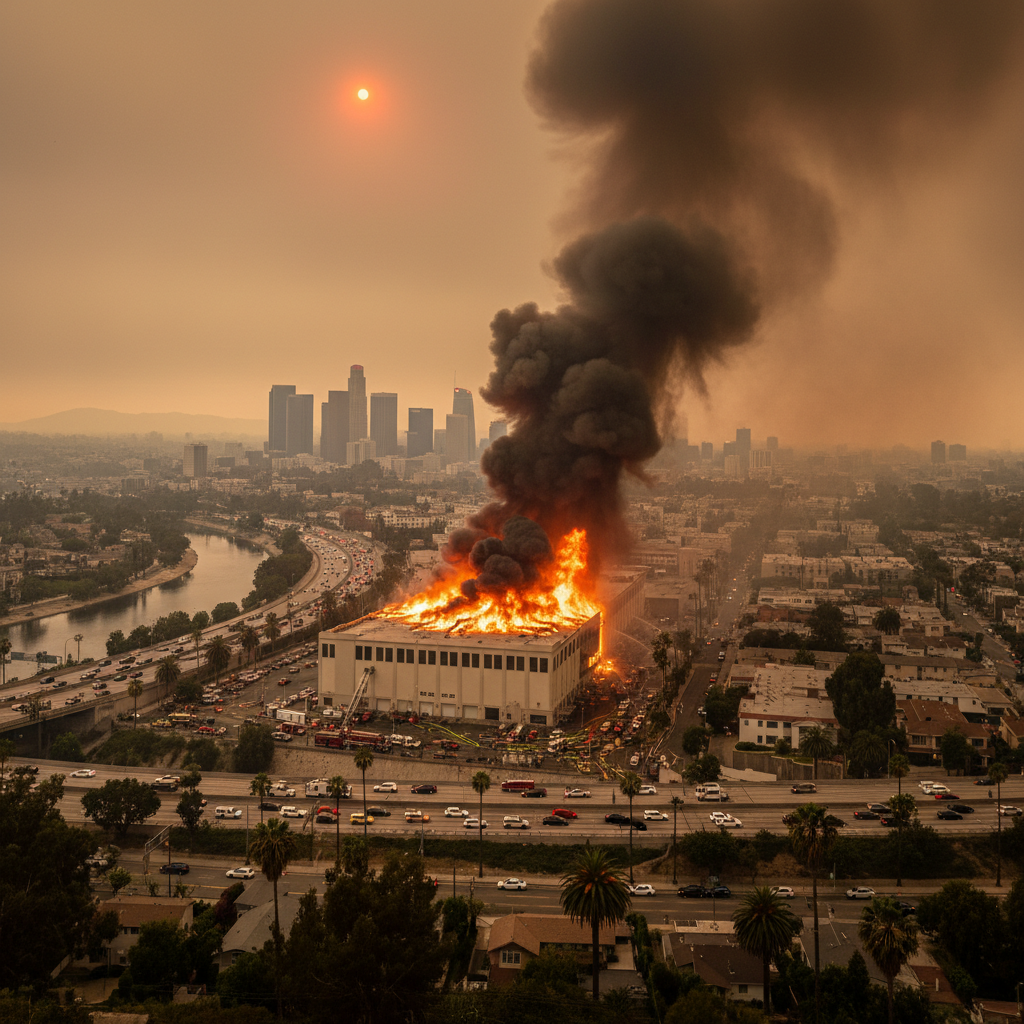
A state of emergency has been declared for Los Angeles County as a massive fire at a Boyle Heights cold storage facility continues to burn for a fourth day, sending plumes of smoke across the city and creating a visible haze over Dodger Stadium.
Despite the lingering smoke and deteriorating air quality, Sunday’s series finale between the visiting Baltimore Orioles and the Los Angeles Dodgers is set to proceed as planned. When players and staff arrived at the stadium in Chávez Ravine on Sunday morning, the air was thick with smoke from the blaze, which is approximately six kilometres away.
The fire first ignited on Wednesday at a large cold storage warehouse in the industrial area of Boyle Heights. The Los Angeles Fire Department has described the situation as "very complex," facing numerous hazards that have complicated containment efforts and raised serious environmental concerns for the surrounding communities.
A complex and hazardous blaze
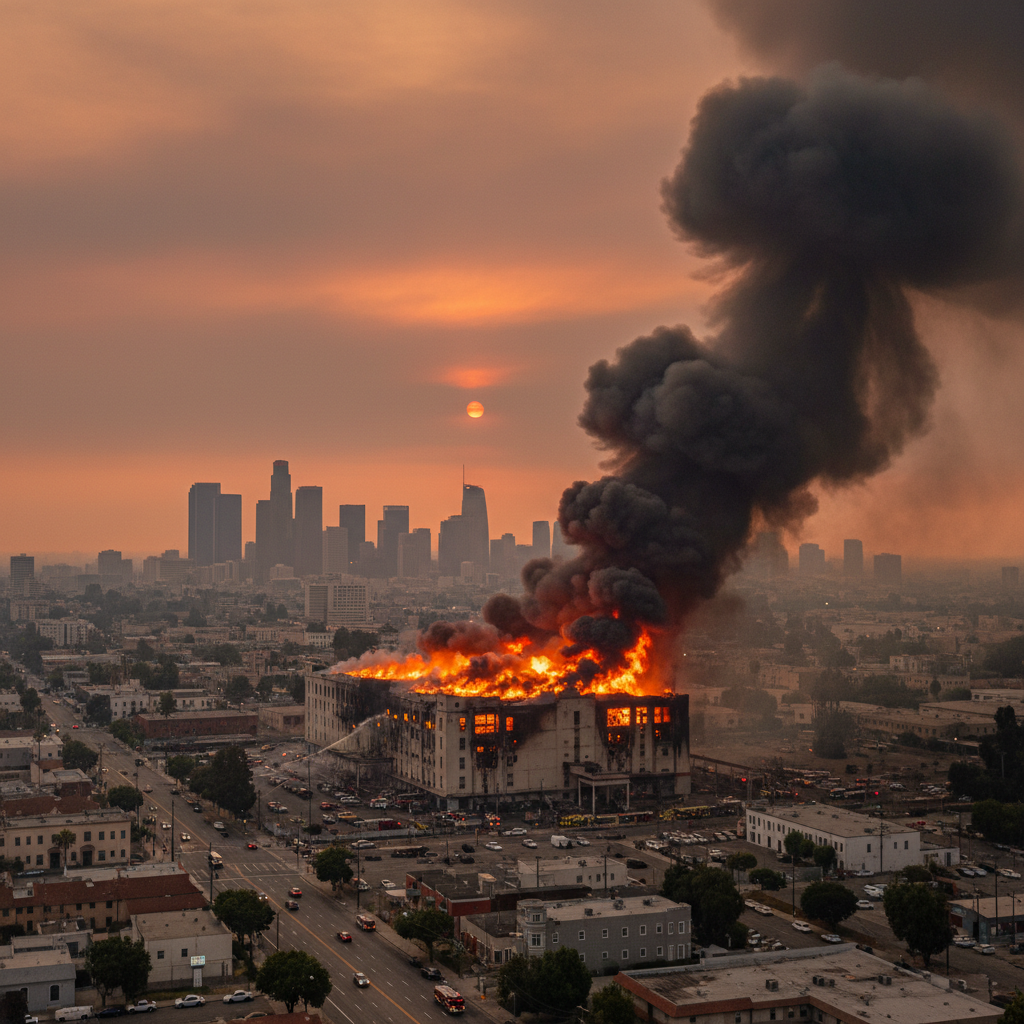
Firefighting operations have been a multi-day, intensive effort, involving helicopters making air drops to quell the persistent flames. The nature of the facility has presented unique and significant dangers. According to The Los Angeles Times, a ruptured ammonia line inside the building initially added the risk of toxic fumes and flammability to the already dangerous situation.
While officials have since stated the immediate hazardous materials threat from the ammonia is over, new challenges have emerged. The building contains an estimated 85 million pounds of frozen food, which is now decomposing and creating a significant biohazard. The structure itself is also a major obstacle for crews on the ground.
In a news conference on Saturday, Los Angeles Fire Department Chief Jamie Moore detailed the immense difficulty his teams are facing.
Air quality and public health warnings
The smoke from the fire, which also involves burning foam insulation from within the building, has prompted public health concerns. The resulting haze is a mix of smoke and the city's usual smog, creating poor air quality. Residents in the vicinity of the fire, particularly in Boyle Heights and East Los Angeles, were placed under a shelter-in-place order to avoid smoke exposure.
Smoke from large structural fires contains fine particulate matter (PM2.5), which can penetrate deep into the lungs and enter the bloodstream, posing health risks, especially for children, the elderly, and individuals with respiratory conditions like asthma. According to the U.S. Centers for Disease Control and Prevention, wildfire smoke and smoke from other large fires can cause a range of health problems from burning eyes to chronic heart and lung diseases. The event in Los Angeles shares similarities with other recent environmental emergencies, such as the large brush fires that blanketed parts of Florida in smoke, highlighting a growing challenge for major metropolitan areas in dealing with large-scale air quality events. The ongoing fire serves as a stark reminder of the potential for industrial incidents to have a widespread environmental impact on urban populations.
City life under a smoky sky
The decision to proceed with the Dodgers game highlights the complex calculations officials and organizations must make during ongoing emergencies. While the immediate danger is concentrated at the fire site, the broader effects on air quality impact a wide radius, affecting numerous public activities and events planned for a summer weekend in the city. Los Angeles is currently in the midst of its busy summer season, with numerous community events scheduled across the region.
As of Sunday afternoon, the smoke over Chávez Ravine had reportedly begun to clear slightly. However, the fire below is far from extinguished. Fire Chief Moore confirmed that the department is still working on the significant biohazard challenges posed by the millions of pounds of decomposing food inside the compromised structure.
Crews are expected to remain on the scene for an extended period as they navigate the difficult and hazardous task of fully extinguishing the fire and managing the environmental fallout. The state of emergency will remain in effect to allow for the coordination of resources as the situation develops.