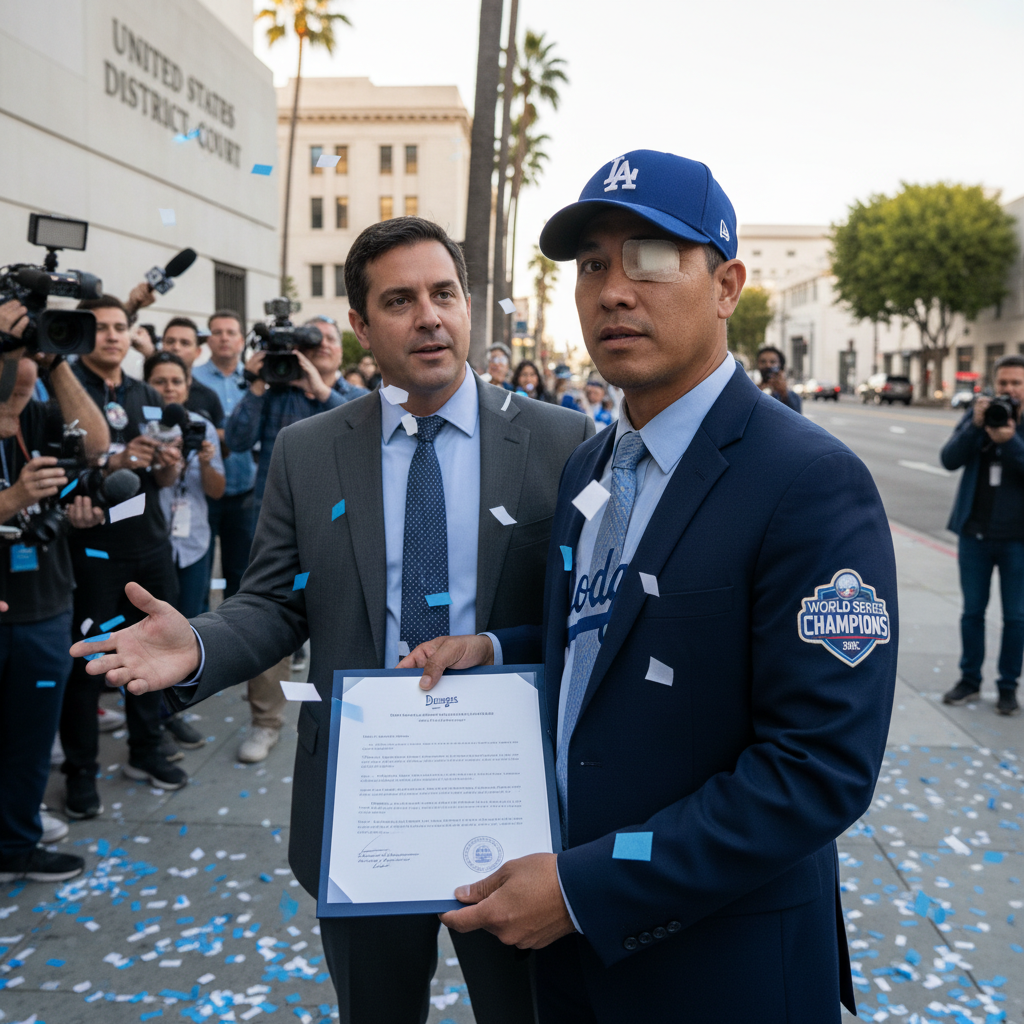
A federal jury has awarded $11.8 million to a Los Angeles Dodgers fan who was permanently blinded in one eye by a police projectile during celebrations for the team’s World Series victory in 2020. The verdict on Thursday marks a significant moment in the nearly six-year legal battle fought by Isaac Castellanos, who alleged the Los Angeles Police Department used excessive force and violated its own policies.
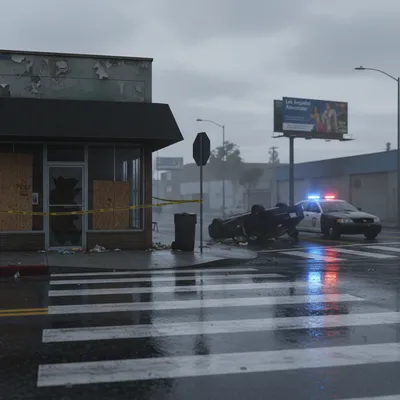
The incident occurred in the early hours of October 28, 2020. Castellanos, then a 22-year-old student at Cal State Long Beach, was celebrating the Dodgers' win with friends in a crowd near the Crypto.com Arena in downtown Los Angeles. In his lawsuit, Castellanos maintained that he was celebrating peacefully and posed no threat to officers.
Lawyers for Castellanos have indicated they will seek to have the damages tripled under a state law that allows for increased awards in cases of this nature. The final amount, however, will likely be subject to an appeal from the city, and any settlement would require the approval of city council leaders.
A celebration turned violent
According to Castellanos and his attorneys, the atmosphere of the celebration was largely peaceful before police moved in to disperse the crowds. He stated that he never heard a command to disperse before officers advanced, firing less-lethal rounds into the crowd where he was standing.
The LAPD defended its actions at the time, stating that officers were responding to reports of vandalism and break-ins at downtown businesses by pockets of violent individuals within the larger gathering. Many, including Castellanos, have since accused the department of a disproportionate response that unnecessarily escalated the situation and endangered peaceful revellers enjoying the city's first baseball championship in over 30 years.
The projectile struck Castellanos in the face, causing the permanent loss of vision in one of his eyes. The jury, after hearing six days of testimony and reviewing evidence, deliberated for less than two hours before returning with its verdict, finding in favour of Castellanos.
A promising career cut short
Beyond the physical and emotional trauma, the injury had devastating professional consequences for Castellanos. His attorneys argued that the loss of his vision derailed a promising and potentially lucrative career in the world of competitive esports.
An avid and skilled gamer, Castellanos had reportedly won $20,000 in a gaming competition just months before the incident. The precision and sharp reflexes required for professional gaming are heavily dependent on excellent vision, and the injury effectively ended his ability to compete at an elite level.

The lawsuit detailed not only the loss of future earnings but also the profound personal impact of having a life-altering injury inflicted during what should have been a moment of civic pride and celebration. Castellanos and his friends asserted they had not broken any laws before he was struck.
Scrutiny of police tactics
A central issue in the trial was the type of weapon used and the manner in which it was deployed. Evidence presented by Castellanos's legal team showed he was hit by a 37-mm “skip trace” launcher. These weapons fire hard-foam projectiles designed to be fired at the ground, ricocheting to strike a person in the lower body to cause pain and encourage dispersal.
According to LAPD policy, these launchers are intended for use at close range to ensure they function as designed. However, Castellanos’s attorneys provided evidence suggesting the officer fired the round from approximately 145 feet away. At that distance, the trajectory of the projectile changes, causing it to rise significantly higher than intended, in this case to eye level.
This case is one of many that have brought the LAPD's use of less-lethal weapons for crowd control under intense scrutiny. The department has faced a wave of lawsuits stemming from its response to various protests and gatherings since 2020. In January, a federal judge issued an injunction that put new limits on the LAPD's use of 40-mm projectile launchers at demonstrations.
Despite these restrictions, the department has continued to deploy other forms of crowd control weapons. During protests downtown related to the Trump administration’s immigration policies, a department report noted that officers used tear gas and fired almost 1,400 less-lethal rounds over a six-day period. Police officials said the force was a response to crowd members throwing rocks, bottles, and Molotov cocktails, but the sheer volume of munitions used has drawn criticism. These tactics echo concerns about environmental hazards, such as when Tijuana River sewage sickens thousands with toxic air.
This was just another nail in that coffin that this has to stop.
A verdict with wide-ranging implications
Pedram Esfandiary, one of Castellanos’s attorneys, said he hopes the substantial verdict sends a clear message to the City of Los Angeles and its police department. The financial consequences, he suggested, should serve as a wake-up call regarding the human and fiscal cost of current crowd control policies.
While officials have consistently promised thorough investigations into all uses of force, critics argue that accountability has been lacking and that policy changes have not gone far enough to prevent similar injuries. The city has faced numerous lawsuits over police conduct at protests and public gatherings, including during frequent strikes by major unions like those within the Los Angeles Unified School District.
The Castellanos verdict may embolden others who have filed similar claims and could influence the city’s strategy in negotiating settlements in other pending cases. It highlights the ongoing and contentious debate over the role of policing during mass gatherings, from sports celebrations in areas known for outdoor dining to political demonstrations.
While the legal process is not fully concluded, with appeals likely, the jury's decision represents a definitive statement on the events of that night. For now, the verdict stands as a multi-million-dollar affirmation of one man’s claim that he was unjustly and permanently harmed by the very officers sworn to protect the public.